
In the early days of 2016, a quiet fog rolled out from a small Canadian studio, and with it came a game that would redefine asymmetrical horror. That game was Dead by Daylight. Few of the survivors who first stumbled into its macabre trials could have imagined the transformation that lay ahead. Now, as 2026 unfolds, looking back reveals a title that has shed its rough, experimental skin and grown into a polished, endlessly replayable nightmare. Every mechanic, every map, and every killer has been touched by the Entity’s invisible hand, whispered changes that turned a niche darling into an undisputed juggernaut.
Maps: A Changing Landscape
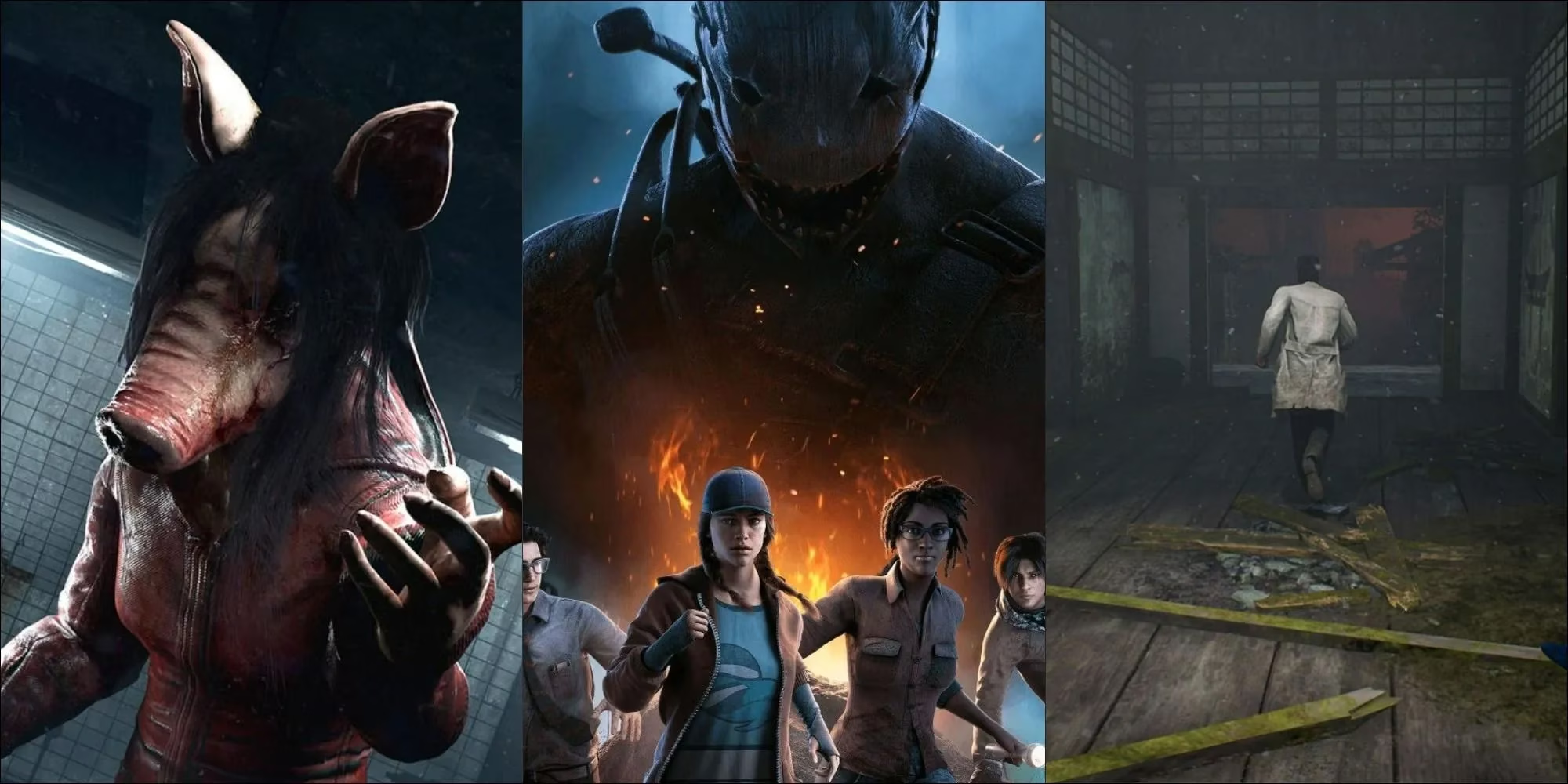
The trial grounds of Dead by Daylight were always more than just arenas; they were living, breathing extensions of the horror. In the beginning, maps like Autohaven and the MacMillan Estate set a grim tone, but they were limited in number and sometimes brutally unbalanced. Over the years, BHVR introduced entirely new realms, from the crimson-drenched Eyrie of Crows to the claustrophobic corridors of Raccoon City Police Department. Each new map brought fresh visual storytelling and strategic wrinkles. The RNG-driven placement of pallets, windows, and totems ensured that no two trials ever felt identical, but it was the sweeping aesthetic and balance reworks of older maps that truly showed the team’s dedication. What was once a killer-favored stretch of cornfields could become a survivor’s paradise after a patch, and then shift again, keeping even the most veteran players on their toes.
Perks Galore
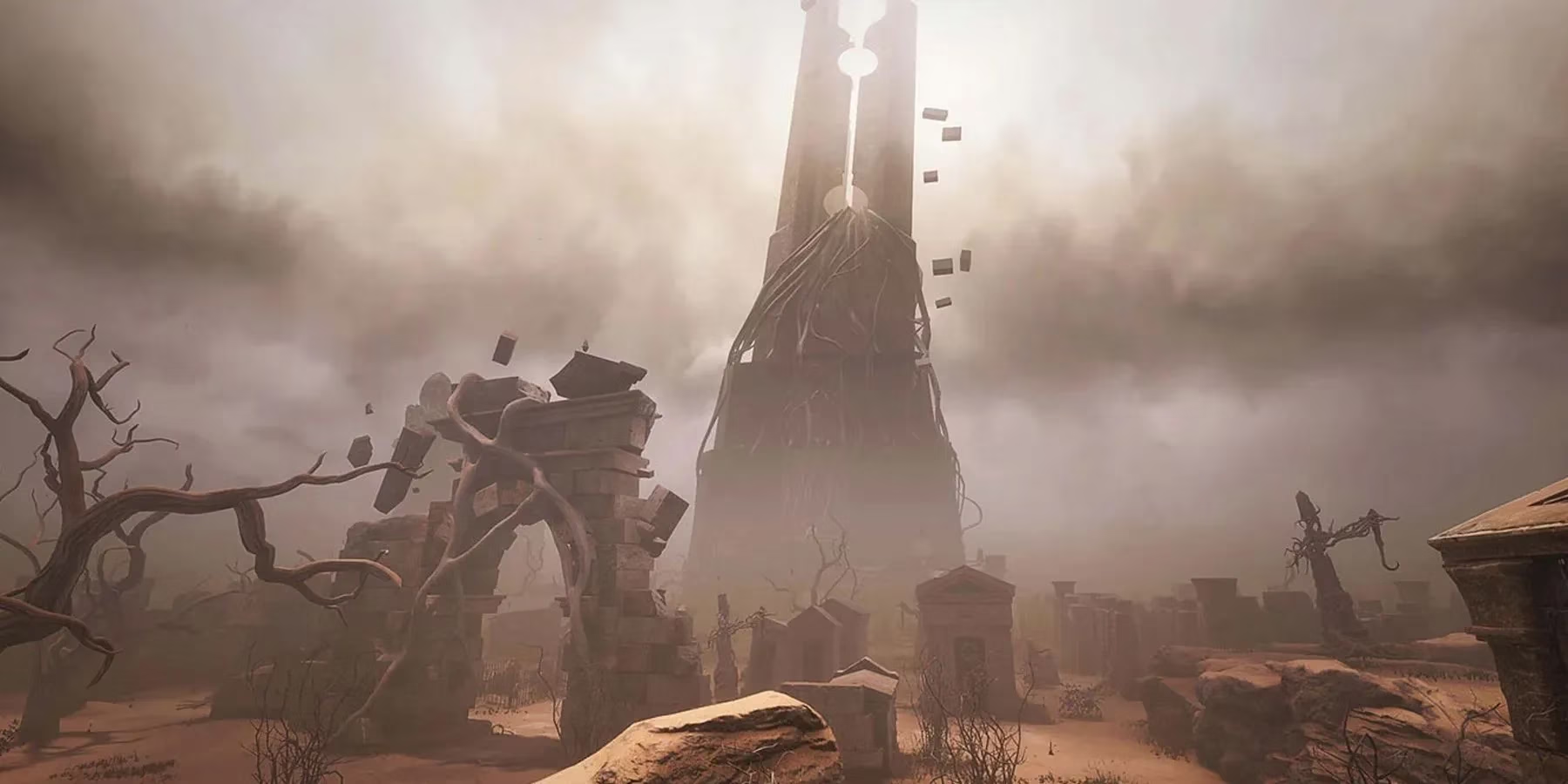
When the fog first swallowed its original four survivors and three killers, the perk selection was pitifully small. Dwight, Meg, Claudette, and Jake each had their signature teachables, but experimentation felt limited. Fast-forward to 2026, and there are over 190 perks to choose from. The ever-expanding roster of characters turned loadout crafting into a deep art form. One month, killers might dread seeing a squad running a mix of Sprint Burst, Iron Will, and Decisive Strike; the next, a new patch would dethrone those staples and elevate underused gems. This constant churn of buffs and nerfs didn’t just chase balance—it cultivated a culture of reinvention, where even a three-thousand-hour player could discover a novel combo and fall in love with the game all over again.
The Growing Cast
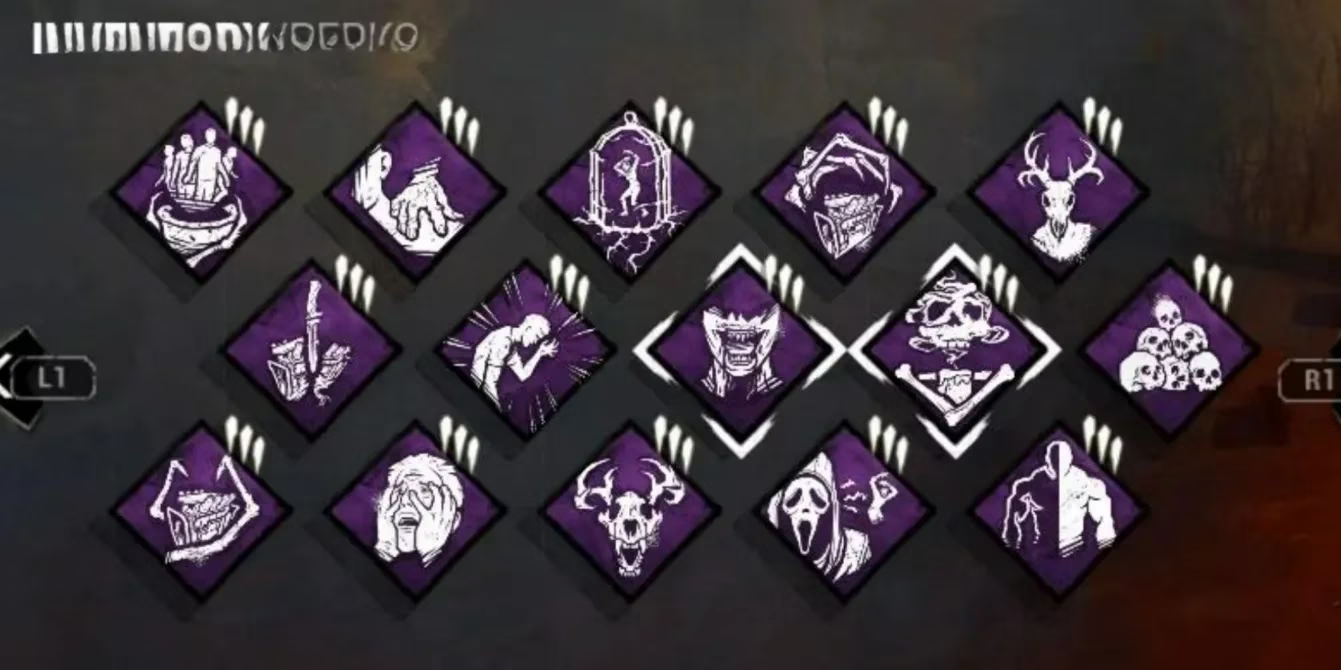
At launch, the killer roster was a trio of simple yet iconic monsters: the Trapper, the Hillbilly, and the Wraith. Their powers—bear traps, a chainsaw sprint, and invisibility—established the classic archetypes of zone control, high mobility, and stealth. But as the Entity’s realm expanded, so did the nightmares within it. The Spirit arrived with her phasing mind games, the Plague infected survivors with a vile sickness, and the Artist unleashed swarms of ink-black crows. Every new killer forced survivors to adapt, to unlearn old habits, and to embrace the terror of the unknown. On the survivor side, fresh faces came with their own stories and perks, weaving a richer tapestry of lore that made the endless cycle of sacrifice feel personal.
Horror Icons Join the Fray
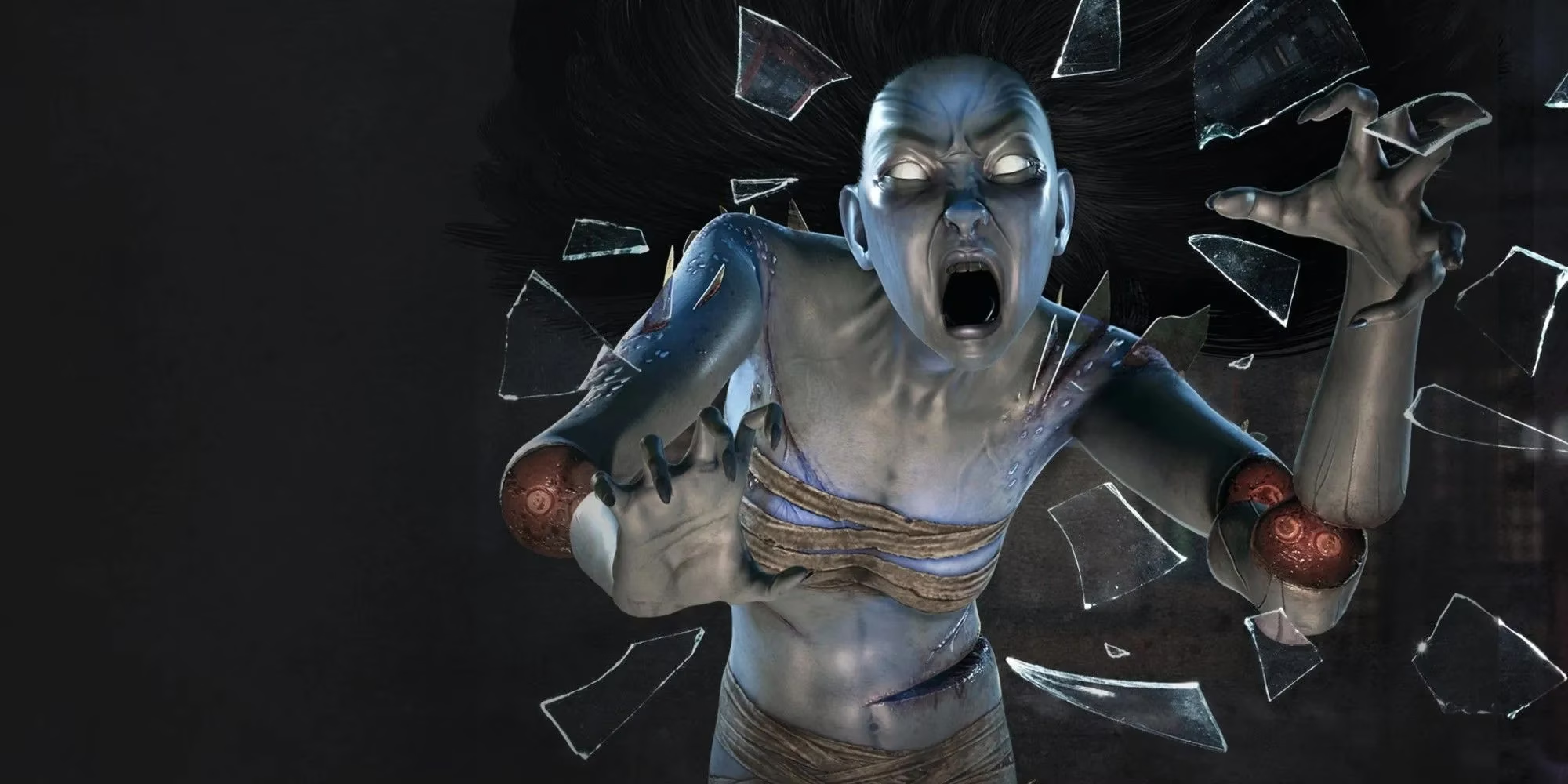
Perhaps the most electrifying evolution came when the gates opened to licensed properties. Michael Myers stalked into the fog with his chilling theme music, and suddenly Dead by Daylight was no longer just an original creation—it was a horror museum. Hellraiser’s Pinhead brought the Lament Configuration puzzle box, turning every trial into a race against a chain-summoning nightmare. Leatherface’s revving saw, Amanda Young’s Reverse Bear Traps, and the Nemesis’s relentless pursuit all followed. Each collaboration breathed new life into the player base, drawing in fans who might never have touched an asymmetrical game, and gave veteran survivors entirely new fears to master. The crossover magic transformed Dead by Daylight into a celebration of the genre itself.
 .jpg)
.jpg)
The Great Hatch Overhaul
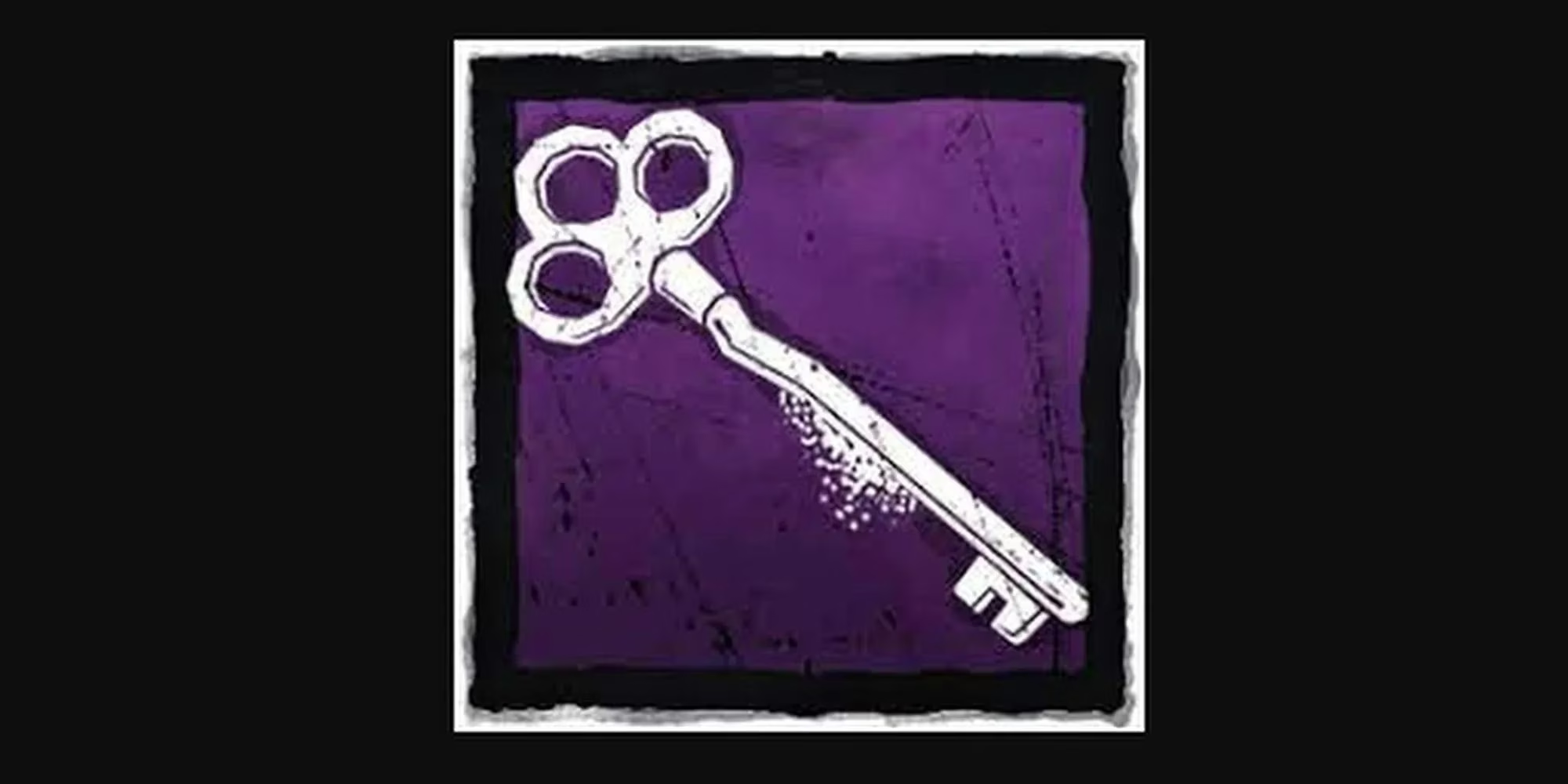
There was a time when the hatch was not just a last-resort escape, but a tool for group heists. A squad of survivors could unlock the hatch with a key and vanish en masse, no matter how poorly they had performed. For killers, this felt like a gut punch; a key squad in the lobby was more dreaded than any lit hex totem. BHVR listened to the outcry and reworked the hatch entirely. Now, only the last living survivor can use it, and even then, the hatch spawns only under strict conditions. The change restored a sense of earned victory, making every escape through the hatch a tense, clutch moment rather than a cheap getaway.
Moris: From Game-Breaking to Satisfying
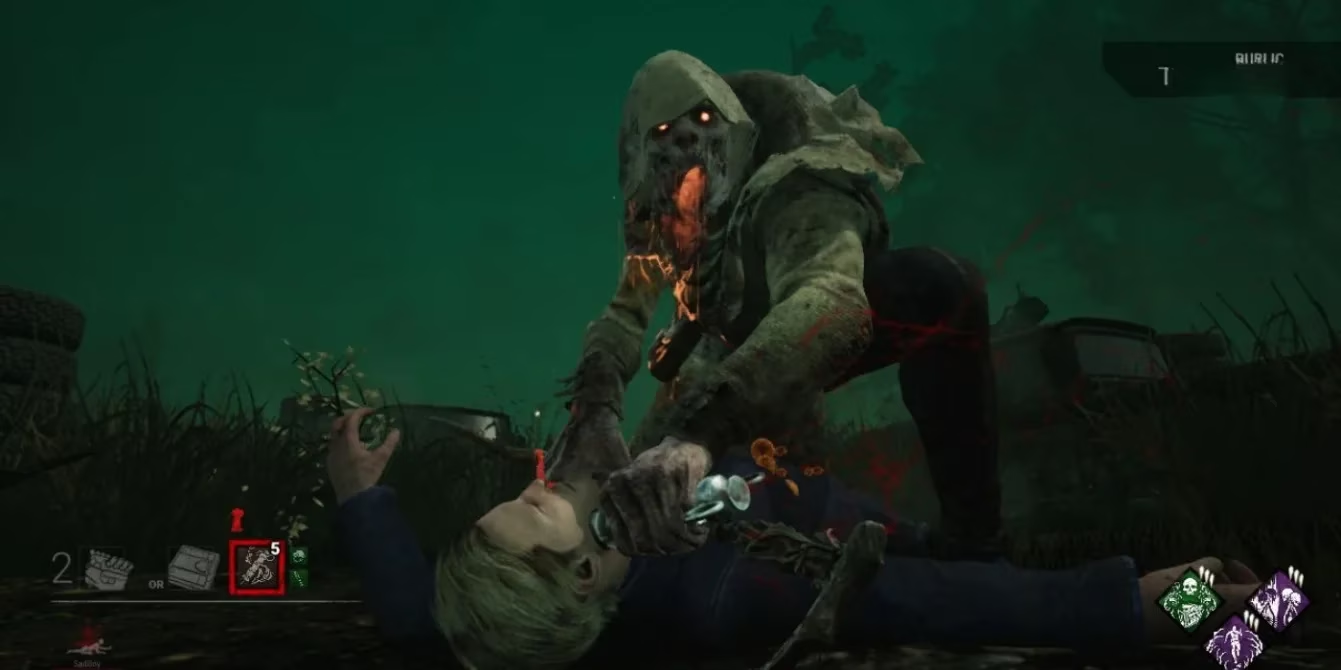
Killers once possessed an offering so powerful it could warp entire matches: the memento mori. In the old days, a killer could simply kill a survivor outright, regardless of how many times they had been hooked. This led to brutally short trials where one unlucky soul would be removed from the game in the first two minutes. The rework brought moris back to a healthy place—now they can only be used on survivors who have reached the second hook stage, transforming them into a cinematic finishing move rather than a ticket to effortless slaughter. The unique kill animations remained, giving killers that satisfying, gory flourish without shattering the game’s balance.
The Era of the Eternal Standoff
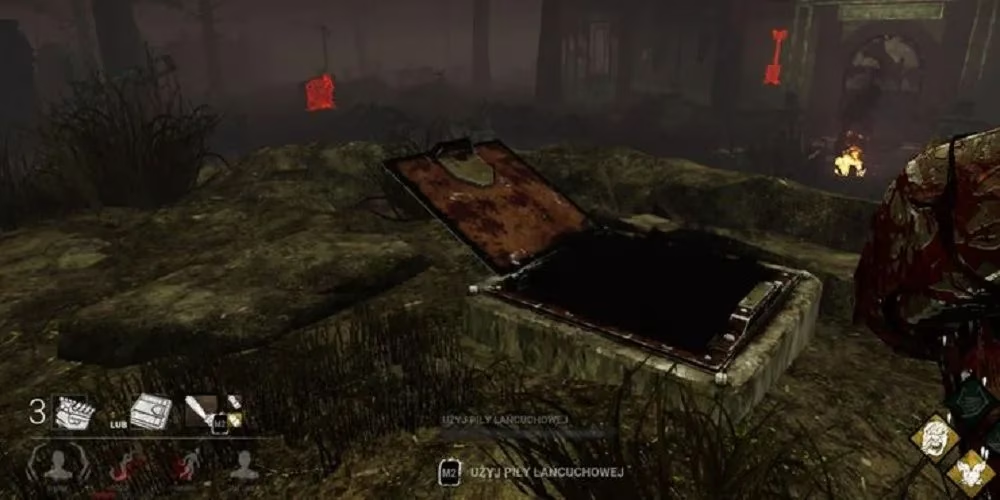
Before the hatch rework, there existed one of the most bizarre stalemates in gaming history: the hatch standoff. A killer and the last survivor would face each other beside an open hatch, neither willing to move first. If the killer struck, the survivor would leap in during the recovery; if the survivor tried to jump, the killer could grab them. These standoffs could stretch for minutes, even hours, with both sides trapped in a test of pure stubbornness. The eventual removal of this mechanic by reworking hatch interactions was a mercy for everyone. It eliminated a toxic, time-wasting element and forced both sides to engage in a dynamic final chase instead of a staring contest.
The Tick of the Clock
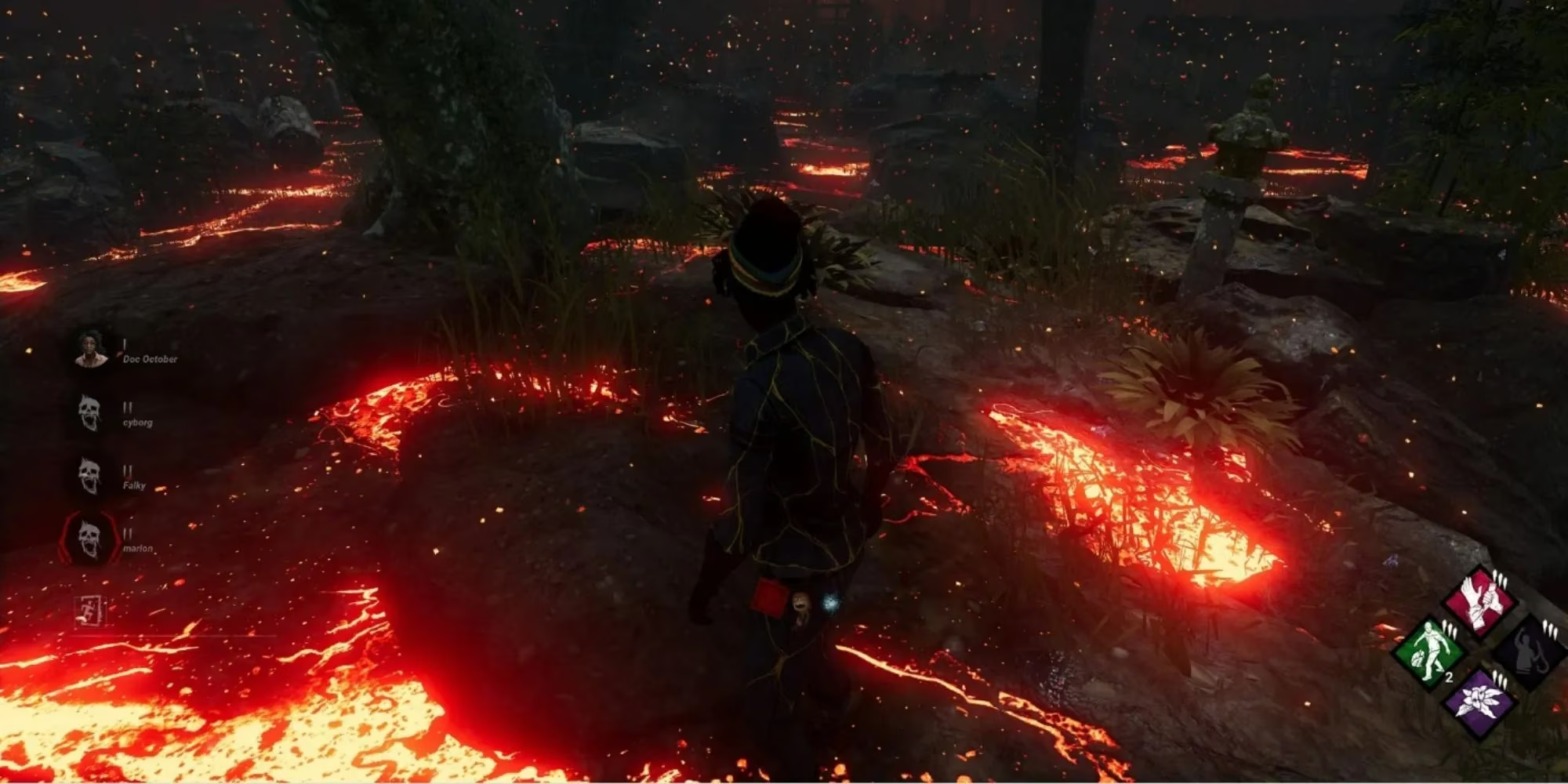
The Endgame Collapse was one of the smartest additions to Dead by Daylight. Once the hatch is closed or the last generator completes, a timer begins, and the very environment starts to degrade as the Entity closes in. Survivors who linger too long are automatically sacrificed. This mechanic injected urgency into every final act, turning what could be a dawdling stalemate into a nail-biting scramble. Killers could no longer drag out games indefinitely, and survivors had to make split-second decisions about healing, totem cleansing, or taking a risky gate unlock. The Collapse also gave birth to new tactics like “99ing” the exit gates or the dreaded Blood Warden play, where the hooked survivor’s aura blocks the escape, creating moments of sheer panic.
Infinite Loops and the Art of the Chase
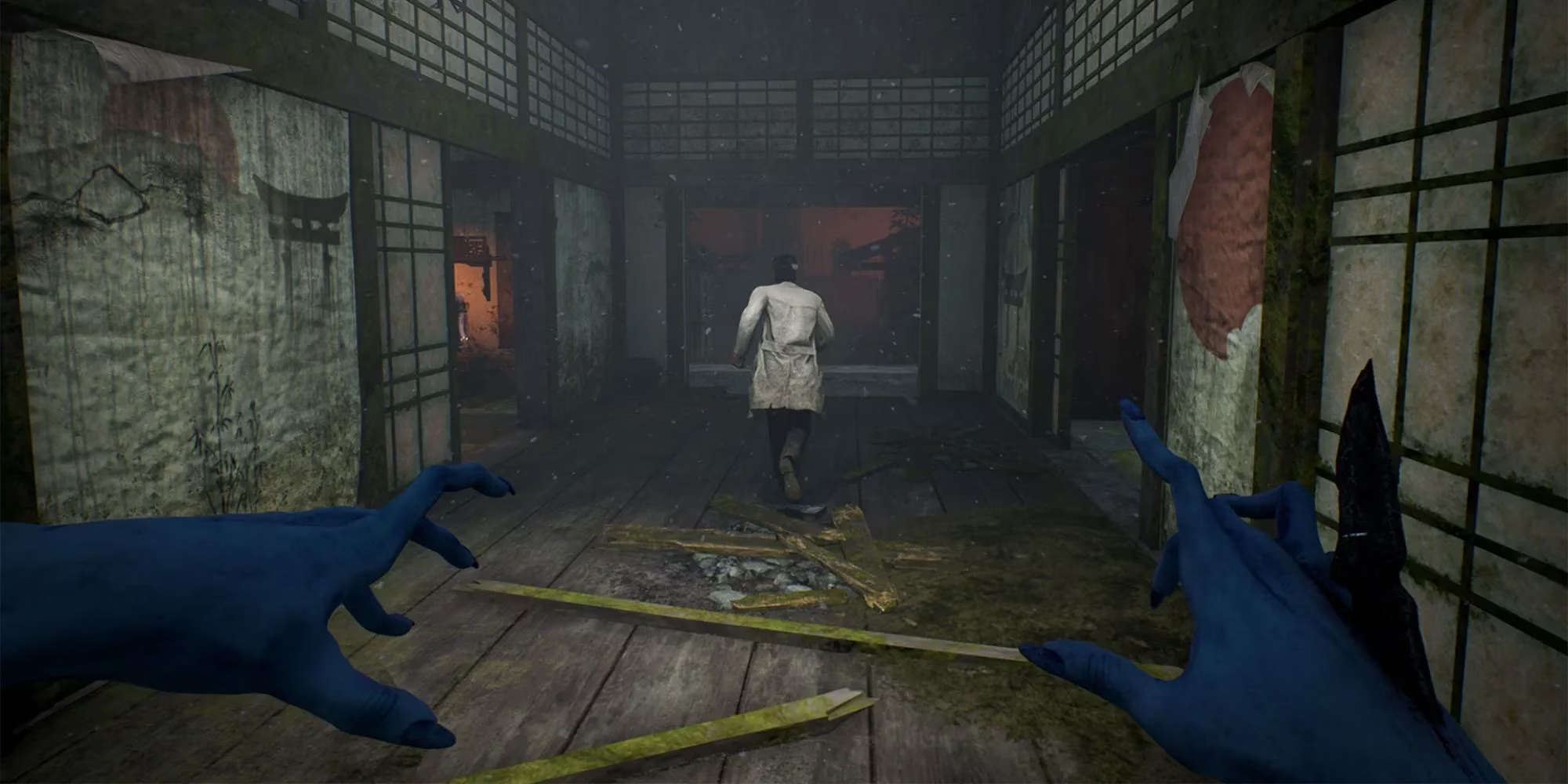
In its infancy, Dead by Daylight’s chase mechanics harbored a dark secret: infinite loops. Certain window-and-pallet configurations allowed survivors to run circles around killers forever, no matter the skill disparity. This was not a test of wits; it was a broken geometry. BHVR gradually hunted down and eliminated these immortal routes, reshaping the maps so that chases became a true test of mind gaming and resource management. Survivors can still chain loops to extend chases, but now every path eventually withers, forcing a climactic conclusion. The rework transformed the core gameplay loop into the tense, back-and-forth ballet that keeps millions of players hooked.
The Elusive Balance
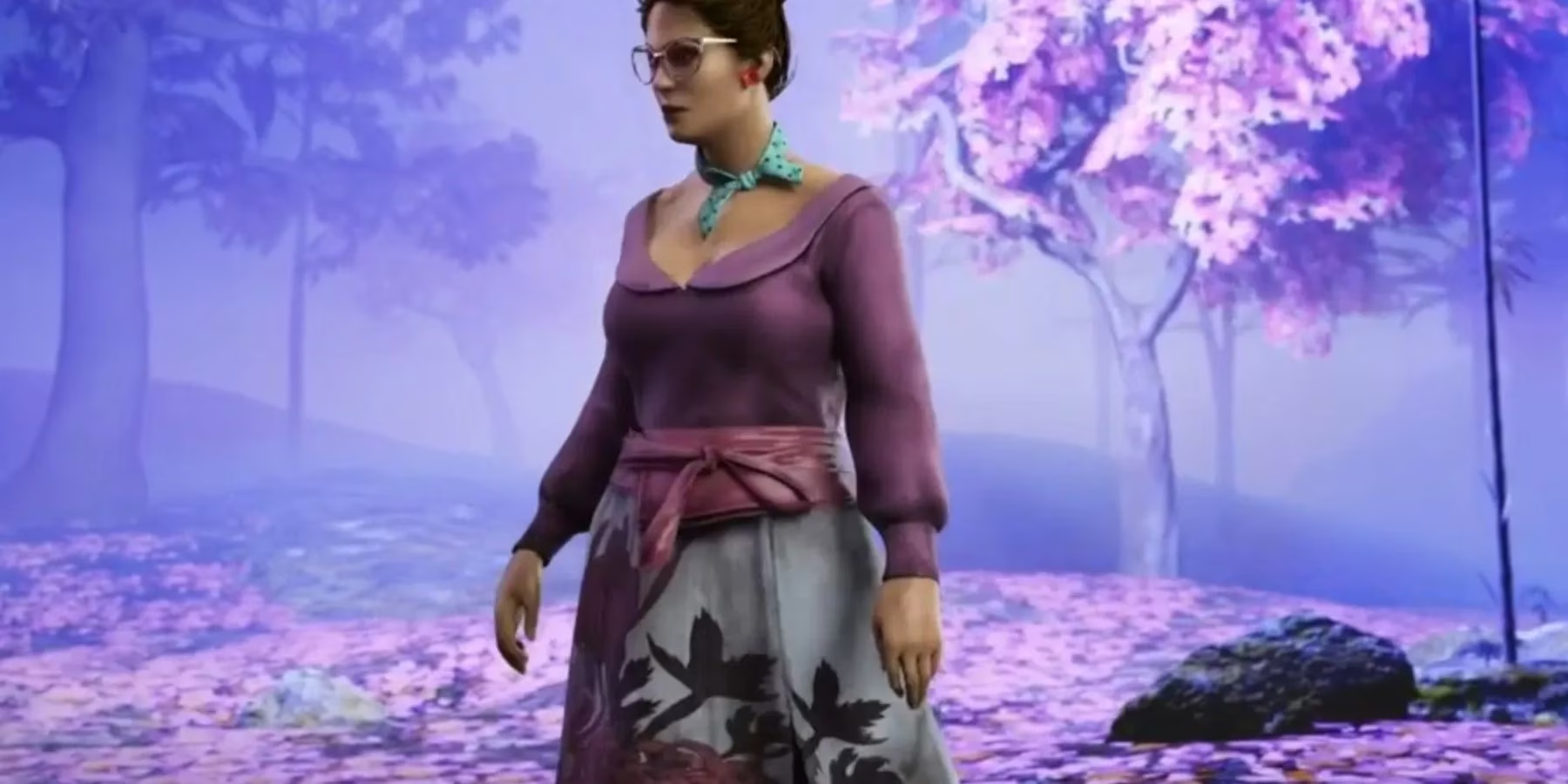
Balance in an asymmetrical game is a myth, a holy grail that developers can only chase. Dead by Daylight’s community has always been divided—some scream that killers are overpowered, others that survivors hold all the cards. The truth, as always, lies somewhere in the fog. Through the reworking of infinite loops, moris, keys, hatch mechanics, killer add-ons, and hundreds of perks, the game has crept closer to a state where every trial feels winnable for either side. It’s not a sterile competitive sport like StarCraft, but a horror party game where the scales are no longer grossly tipped. Those who played in 2016 would scarcely recognize the polished, nuanced experience of 2026. The Entity may still be hungry, but it now feeds on fairer, more thrilling hunts.
From its humble origins as a buggy, unbalanced experiment to its current status as a living horror celebration, Dead by Daylight’s journey mirrors the very trials it contains: punishing, transformative, and utterly addictive. Every change, even the controversial ones, was a step toward something better. And as the fog continues to thicken with new killers, survivors, and realms, one thing remains certain—the game will keep evolving, and its community will keep screaming for more.
Insights are sourced from HowLongToBeat, and they help frame why Dead by Daylight’s decade of reworks (from hatch and mori rules to map overhauls and endgame pressure) matters so much: the more readable and fair the match flow becomes, the easier it is for players to commit to “just one more trial” without feeling trapped in unwinnable slogs. In practice, DBD’s evolution has increasingly turned each session into a series of bite-sized, high-stakes chases and resets—exactly the kind of repeatable structure that sustains long-term engagement for both new and veteran players as the roster, perks, and realms continue to balloon.
Leave a Comment