
As we look back from 2026, the legacy of Red Barrels' Outlast is not merely that of a terrifying game, but that of a cultural catalyst. When it first plunged players into the battery-drained darkness of Mount Massive Asylum, it was like a master electrician rewiring the genre's nervous system, fusing the raw, voyeuristic terror of found-footage cinema with the suffocating helplessness pioneered by games like Amnesia. This potent formula didn't just raise the bar; it built an entirely new one in a pitch-black room, setting a standard for first-person horror that continues to influence developers over a decade later. For those who have braved its corridors and those of its sequel, the hunger for that specific brand of dread remains. The following titles represent the evolution and diversification of that fear, games that either inspired, paralleled, or were inspired by Outlast's groundbreaking approach to making players feel utterly defenseless.
8. Amnesia: The Dark Descent: The Architect of Modern Horror
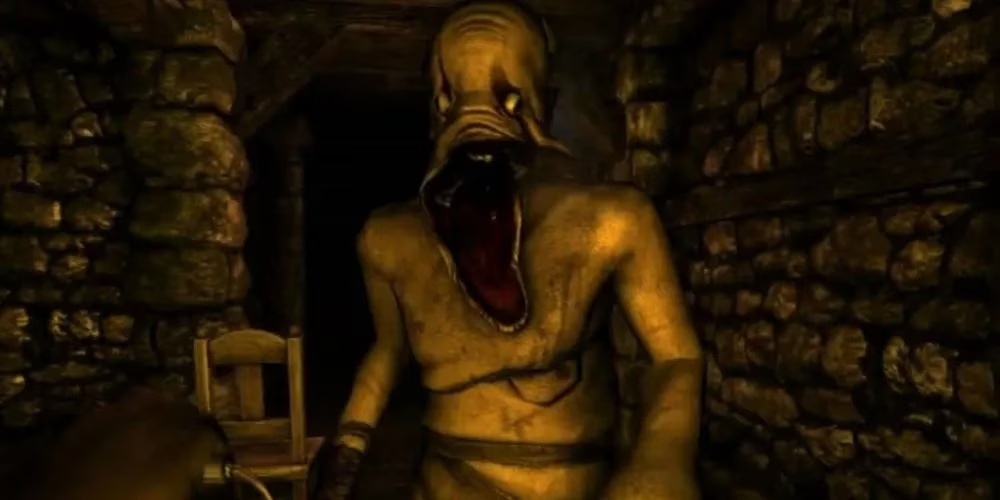
If Outlast was the spark, Frictional Games' Amnesia: The Dark Descent was the flint and steel. Released in 2010, this title almost single-handedly resurrected first-person horror for a new generation. Its genius lay in a dual-layered threat: otherworldly monsters that stalked the dark, gothic halls of Brennenburg Castle, and the player's own rapidly deteriorating sanity. Like Outlast, offensive capabilities are a phantom hope; survival hinges on evasion, hiding, and managing your environment. The game's atmosphere is a creeping frost that settles in your bones, making every creak and whisper a potential herald of doom. While its sequels ventured in different directions, The Dark Descent remains the foundational bedrock, a classic whose shadow is as long and imposing as the castle corridors it inhabits.
7. Resident Evil 7: Biohazard – A Franchise Reborn in First-Person
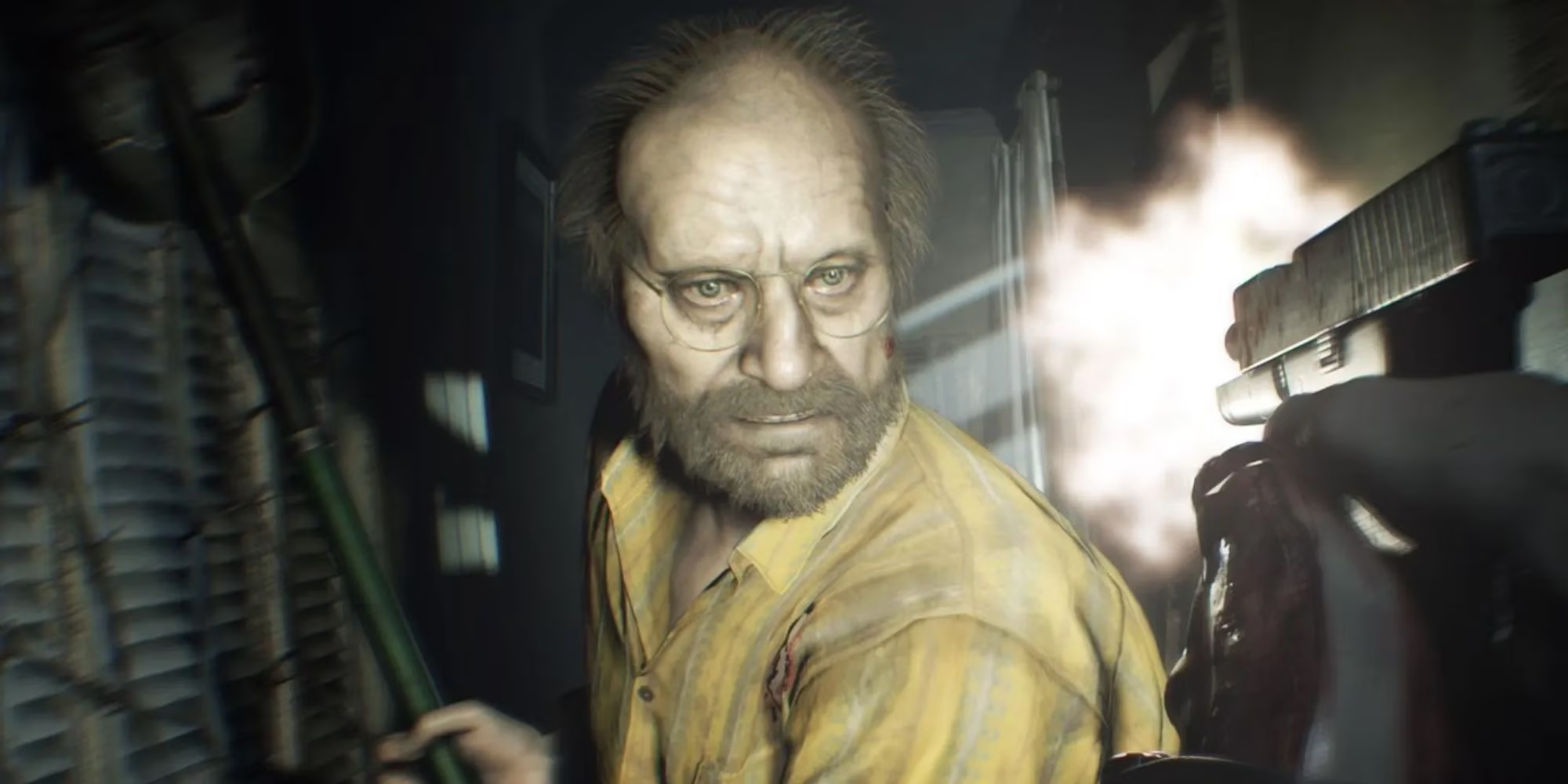
Capcom's decision to reboot the iconic Resident Evil series through a first-person lens was a gamble that paid off in blood and terror. Resident Evil 7: Biohazard took clear inspiration from the intimate, claustrophobic horror of Outlast and Amnesia, transplanting it to the decaying, swamp-ridden Baker family estate. This was a seismic shift from the over-the-top action of Resident Evil 6, returning the series to its survival horror roots with a slower, more deliberate pace and a crushing emphasis on resource management. The Baker family themselves are antagonists for the ages, their Southern Gothic horror and unpredictable violence creating a domestic nightmare that feels both bizarrely welcoming and utterly hostile. The dish they serve is less a dinner and more a last meal. The monumental success of its follow-up, Resident Evil Village, cemented this new direction, proving that sometimes, looking through the protagonist's eyes is the most effective way to make them widen in fear.
6. Dying Light: The Adrenaline-Fueled Cousin
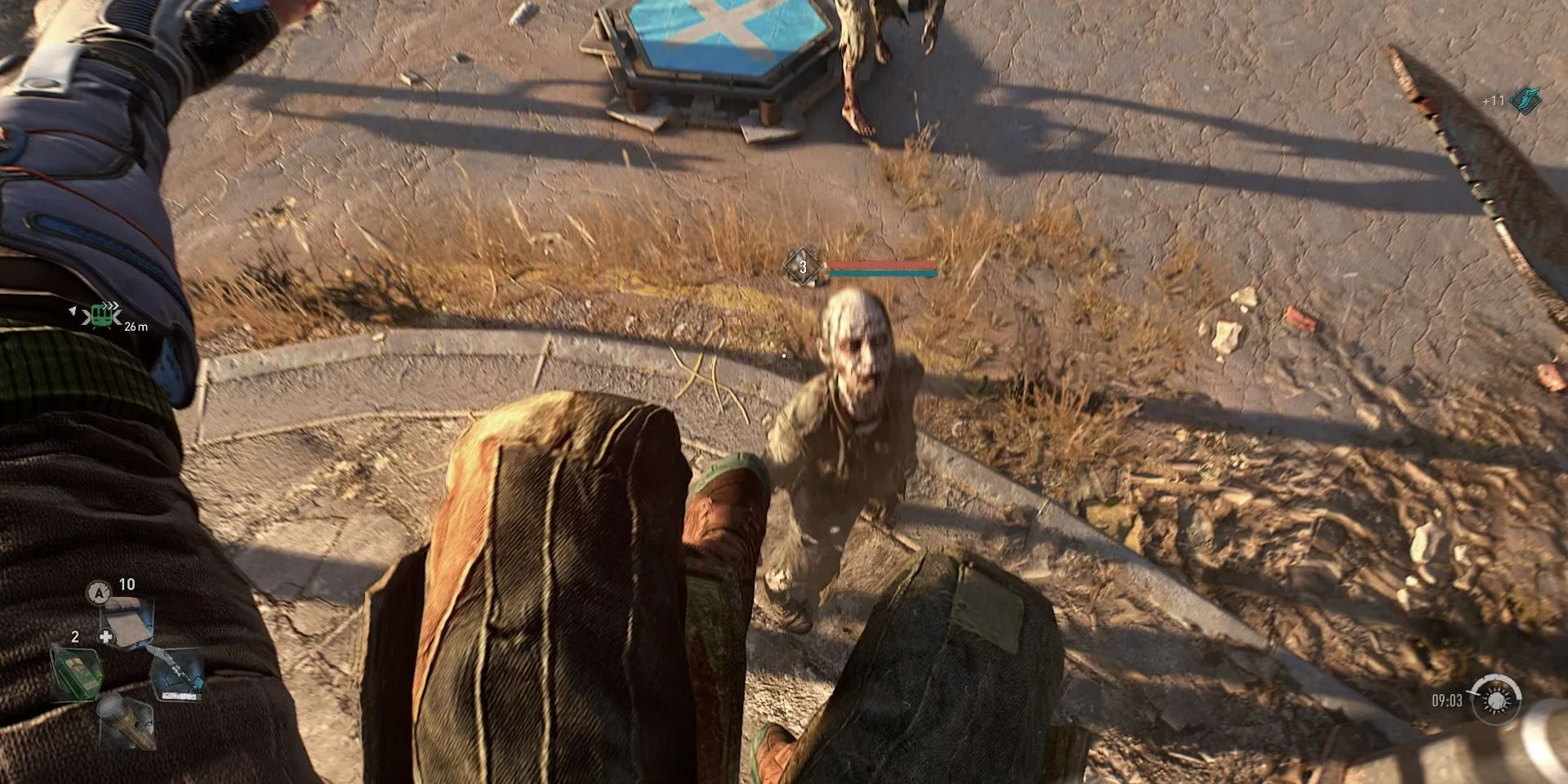
At first glance, Techland's Dying Light seems like the polar opposite of Outlast's slow-burn terror. Here, you're parkouring across sun-drenched rooftops and drop-kicking zombies into oblivion with a sizable arsenal. Yet, the core connection is one of immersion. Where Outlast immerses you in helplessness, Dying Light immerses you in fluid, panic-driven movement. The shared DNA is the player's visceral connection to the environment and the constant, palpable threat. The day-night cycle is the game's masterstroke, transforming the open world from a playground of zombie disposal into a heart-pounding survival horror landscape when the sun sets, evoking a similar vulnerability to being chased in Mount Massive. It’s the perfect recommendation for players who loved Outlast's intensity but craved more agency and verticality. Dying Light 2 further expanded this formula, giving players even more tools and a decaying urban jungle to traverse.
5. Dead By Daylight: Becoming the Monster
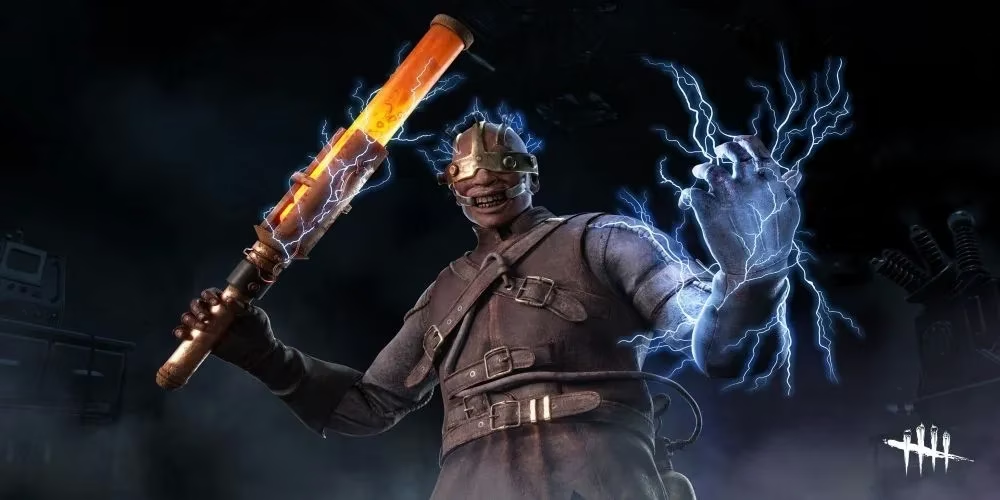
For those who have spent years in Outlast fleeing from monstrosities, Behaviour Interactive's Dead by Daylight offers a cathartic role reversal. This asymmetric multiplayer horror game lets you step into the worn boots (or claws) of a iconic killer—from original creations to licensed legends like Michael Myers or Resident Evil's Nemesis—and hunt a team of four survivors. It captures the predatory tension from the other side, making you the architect of fear. The game's success has been a phenomenon, inspiring a wave of similar 4-vs-1 experiences and becoming a digital campfire for horror fans. If the helplessness of traditional survival horror has left you craving power, Dead by Daylight provides it in bloody, satisfying spades.
4. Half-Life 2: The Horror in a Masterpiece's Shadows
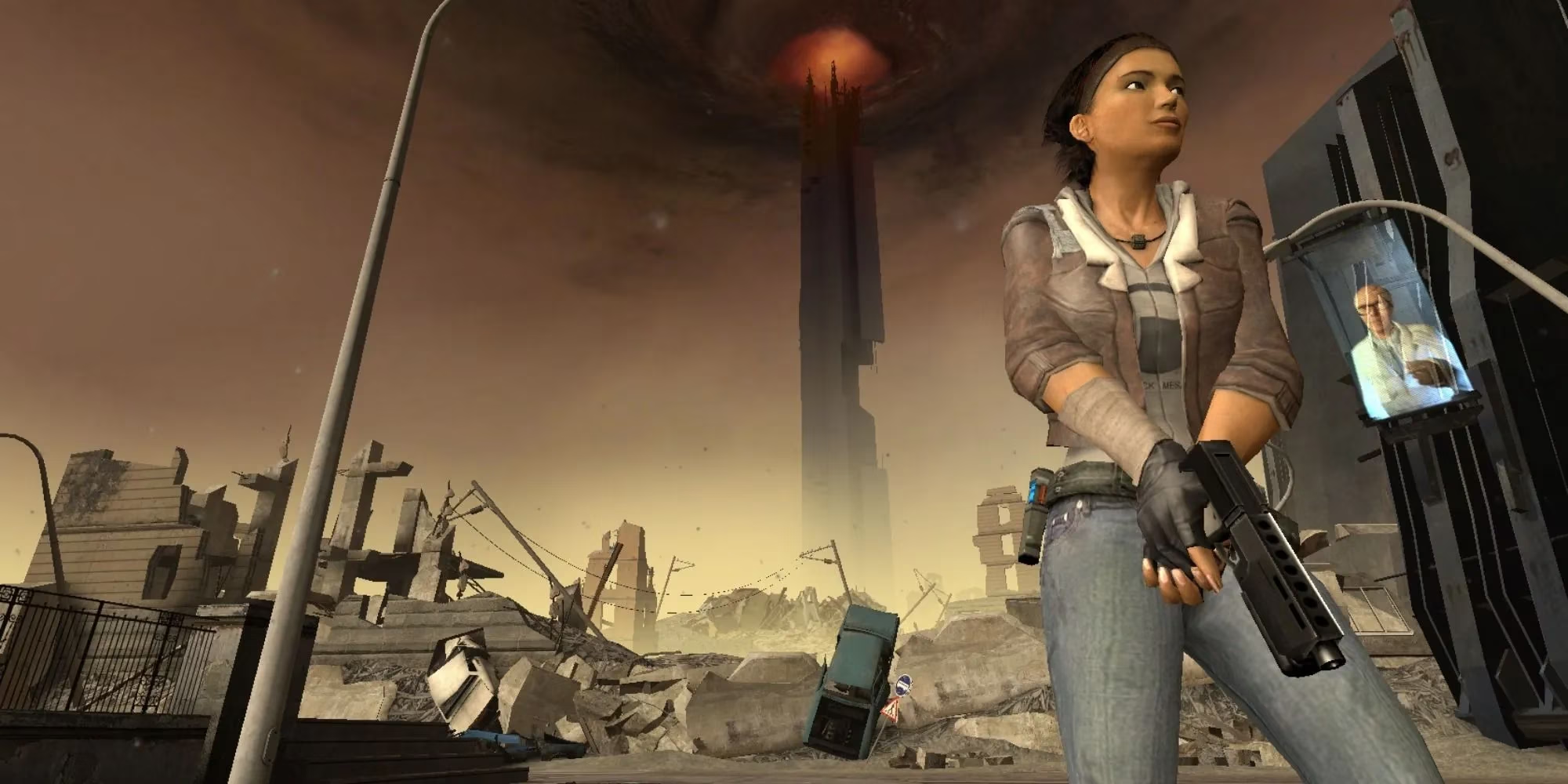
Valve's Half-Life 2 is rightly celebrated as a landmark in physics-based gameplay and narrative immersion. However, nestled within its revolutionary design is one of gaming's most effective, if unexpected, horror sequences: the chapter "We Don't Go To Ravenholm." This detour into a zombie-infested mining town is a masterclass in atmospheric dread. With limited ammunition and enemies that scuttle along walls and ceilings with unnerving agility, the game temporarily sheds its sci-fi shooter skin to become pure survival horror. The combination of the bleak environment, the disturbing Headcrab Zombies, and Father Grigori's mad prophet routine creates a segment that rivals dedicated horror titles for sheer memorability and tension. It proves that horror can be a potent spice even in a dish not primarily focused on fear.
3. The Forest: Survival Horror Where You Fight Back (But Should You?)
Endnight Games' The Forest begins as a standard survival-crafting affair: crash-land on an island, gather resources, build shelter. The horror emerges organically, like a fungus from damp soil. You are not alone. The island is inhabited by a tribe of cannibalistic mutants whose behavior is deeply unsettling. Much like the variants in Mount Massive, they don't always attack immediately. They observe from the tree line, stalk your movements, and test your defenses, creating a pervasive sense of being watched that is often more frightening than direct conflict. Your ingenuity becomes your main weapon as you build traps, fortifications, and weapons. The horror here is a slow burn, a psychological war of attrition against an enemy that is both primitive and terrifyingly intelligent.
2. Phasmophobia: Cooperative Ghost Hunting Chaos
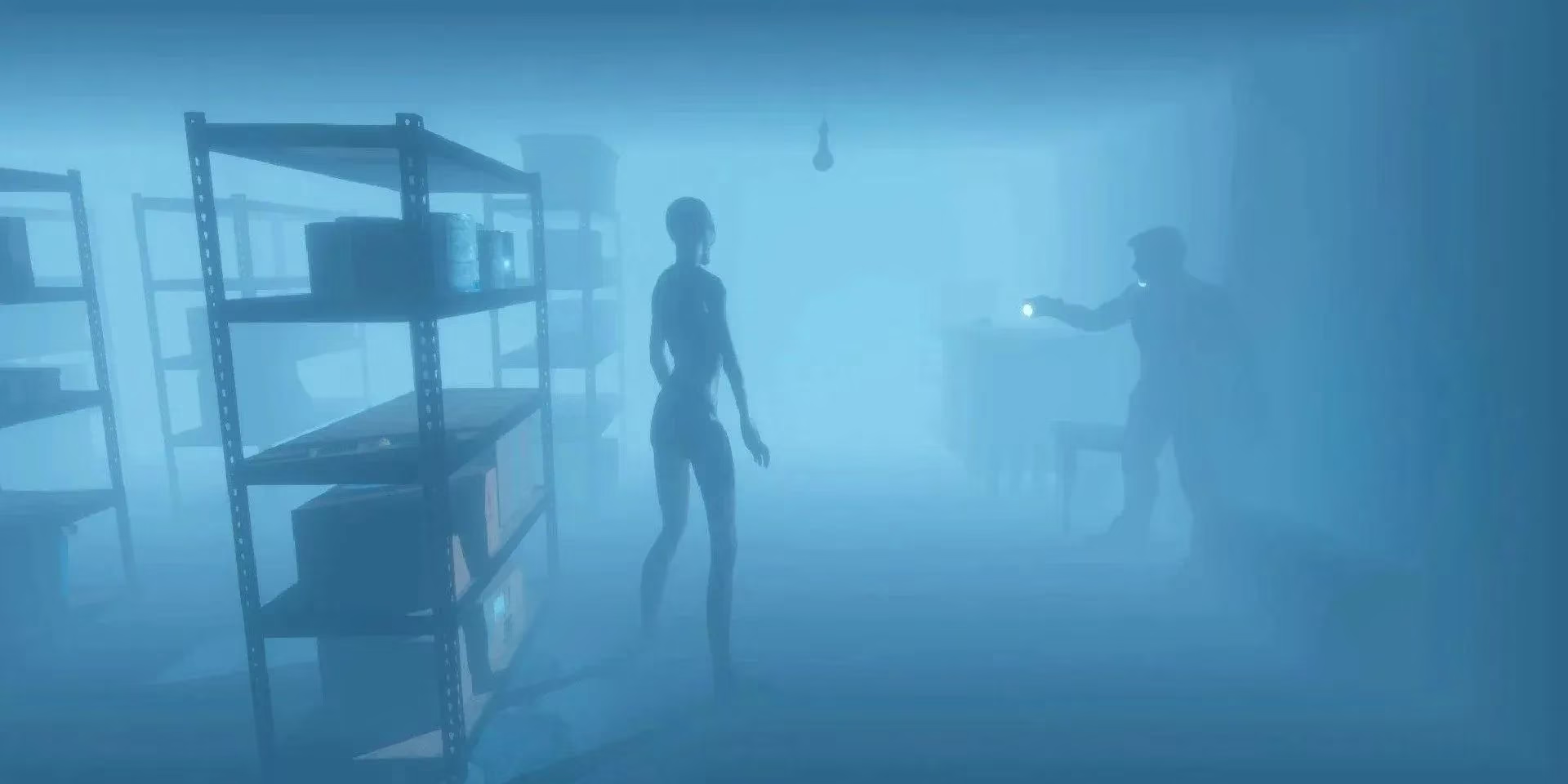
Kinetic Games' Phasmophobia took the investigative premise of Outlast—using a camera (and other tools) to document the supernatural—and made it a brilliantly tense cooperative experience. Here, you and your friends become a team of ghost hunters, entering haunted locations to gather evidence, identify the type of spirit, and complete objectives. The terror is amplified by communication; ghosts can hear your voice, both in-game and through proximity chat. Trading guns for EMF readers, spirit boxes, and UV lights, the game creates fear through anticipation and deduction. The moment the lights flicker and the door locks, the frantic scramble to identify the ghost before it identifies you is a uniquely shared horror experience, blending the methodical with the manic.
1. Alien: Isolation – The Pinnacle of Unscripted Pursuit
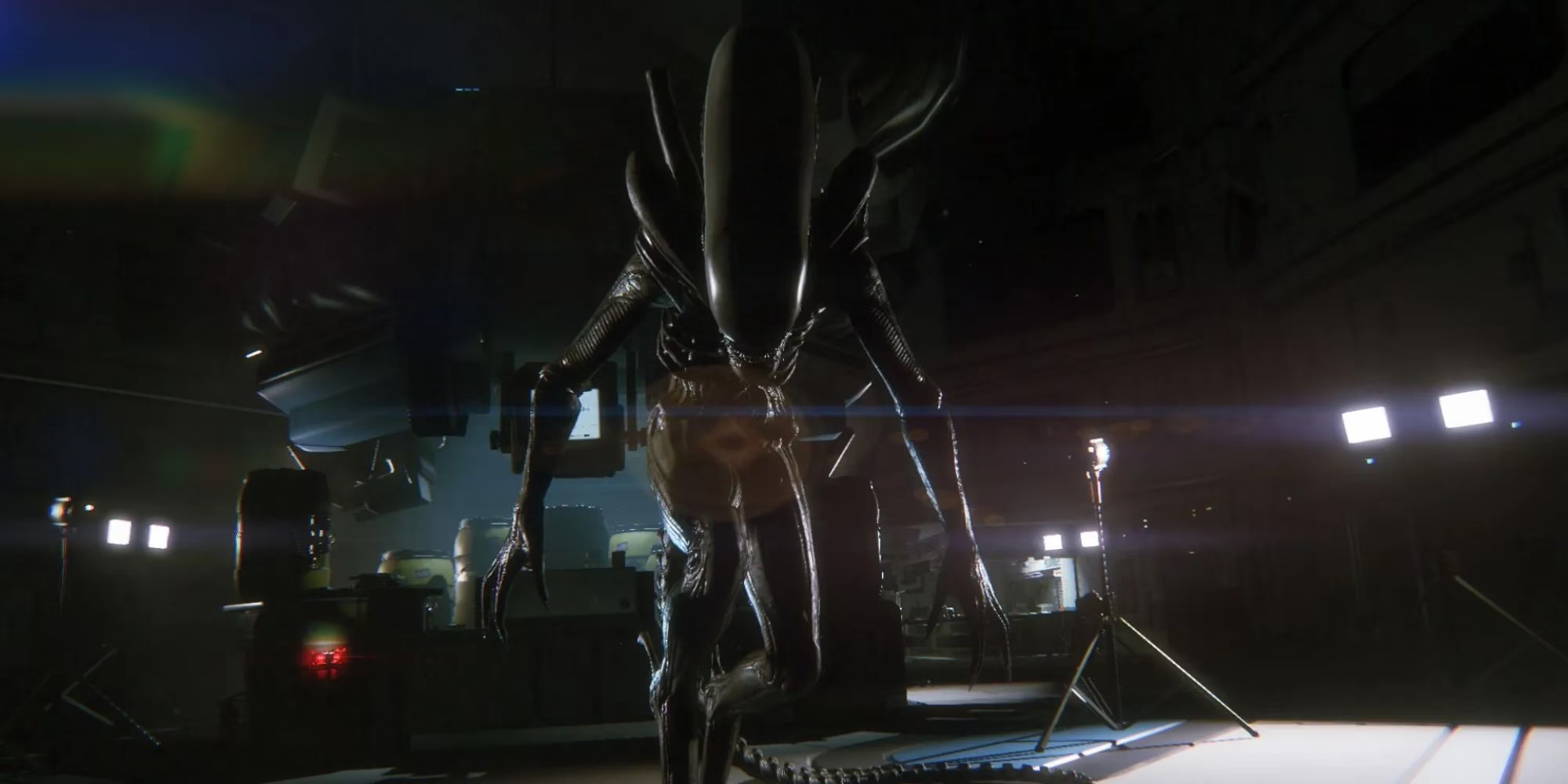
Creative Assembly's Alien: Isolation is, for many, the zenith of the "helpless protagonist" horror model that Outlast helped popularize. It is a love letter to the slow-burn tension of Ridley Scott's original film, and a masterpiece of AI-driven terror. Replacing the asylum with the labyrinthine Sevastopol space station, your primary adversary is a single, unscripted Xenomorph that learns from your behavior. Its presence is a constant, oppressive weight, like a shadow that has gained sentience and malice. The game masterfully uses sound, lighting, and the creature's unpredictable patrols to create an experience where safety is always an illusion. While you have more tools at your disposal than Miles Upsher—including the iconic flamethrower—they feel like temporary deterrents against an inevitable force of nature. Alien: Isolation stands as a towering monument to atmospheric horror, a game where the environment itself feels like a character, and the monster within it is a perfect, relentless engine of fear.
Leave a Comment