
As someone who has spent more than a few long nights crouching behind crates and revving chainsaws, I can tell you that Dead by Daylight remains a living, breathing beast in 2026. The game's heart beats through one thing more than anything else: Bloodpoints. These little red droplets of progression fuel everything from those stubborn old generators that wheeze like asthmatic uncles to the Entity itself, a hungry patron waiting at the bar for its next offering. Let's break down the eight categories that decide how many Bloodpoints I drag home after each trial.
8. Objectives (Survivors)
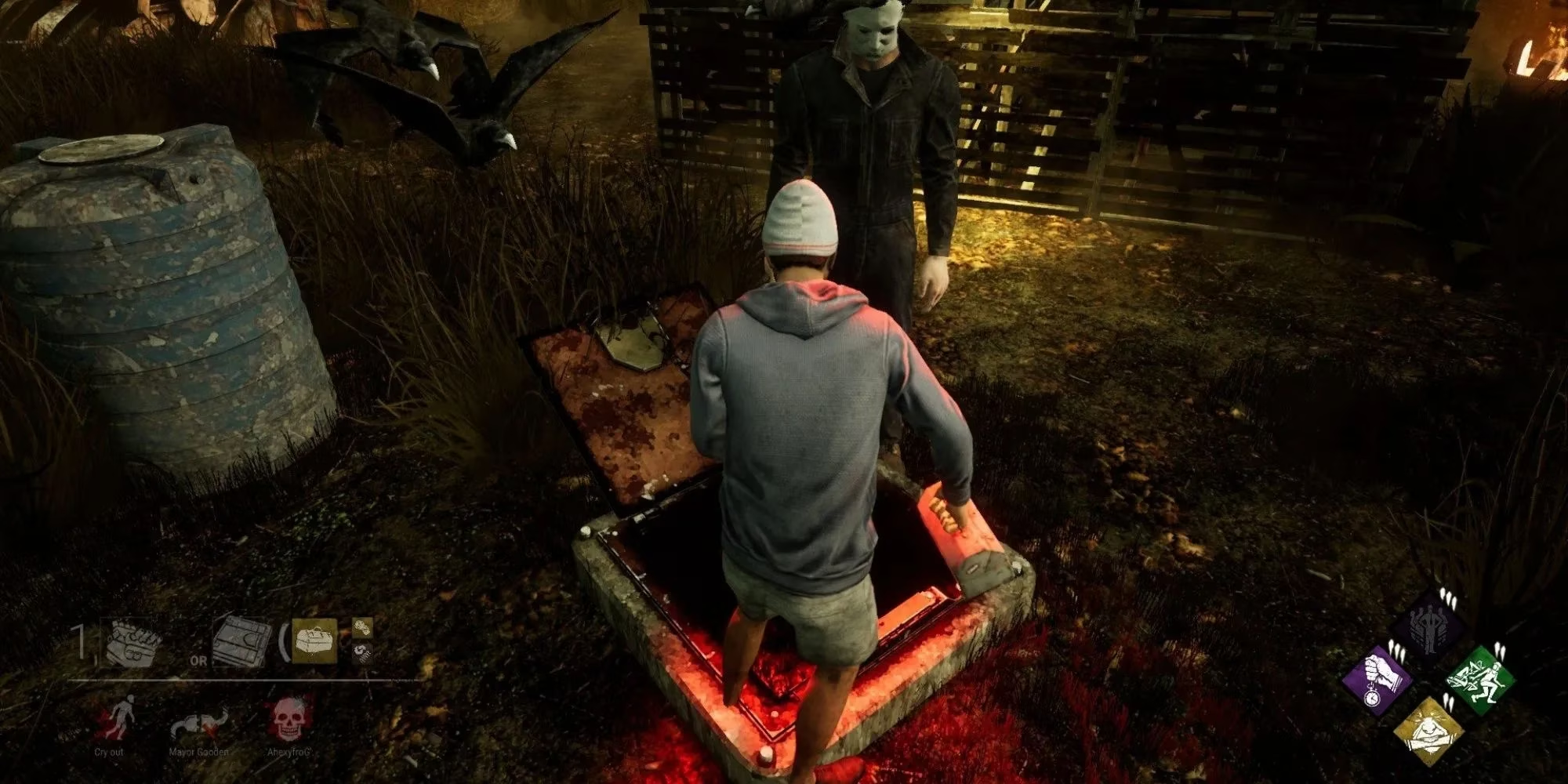
The Objectives category is my bread and butter when I play survivor. I earn Bloodpoints here for doing the actual legwork of the trial: repairing generators, hitting those skill checks, rummaging through chests, opening the exit gate, and - my personal favorite - slipping through the hatch like a ghost.
It is a broad category, honestly. Basically, if I am doing my part to push the team toward the exit, the game tosses me points. Sometimes I bring a map from the Bloodweb, and the bonus Objective points for assisting teammates feel like a little pat on the back. You know the drill by now: fix the gens, stay useful, and the numbers climb.
7. Survival (Survivors)

Survival is all about staying alive as long as possible, which is easier said than done when a killer with a bell keeps appearing behind me. The category covers healing states, using medkits, helping injured teammates, and even stunning the killer.
One thing I love about this category is the subtle teamwork baked into it. Picking up a teammate who is bleeding out or patching someone up after they scrape themselves off a hook can earn a steady trickle of Survival points. And here is a quirky little detail: if I manage to escape while being the Obsession of a killer, I get a nice bonus. Trust me on this, those extra points are worth the extra heartbeat.
6. Altruism (Survivors)
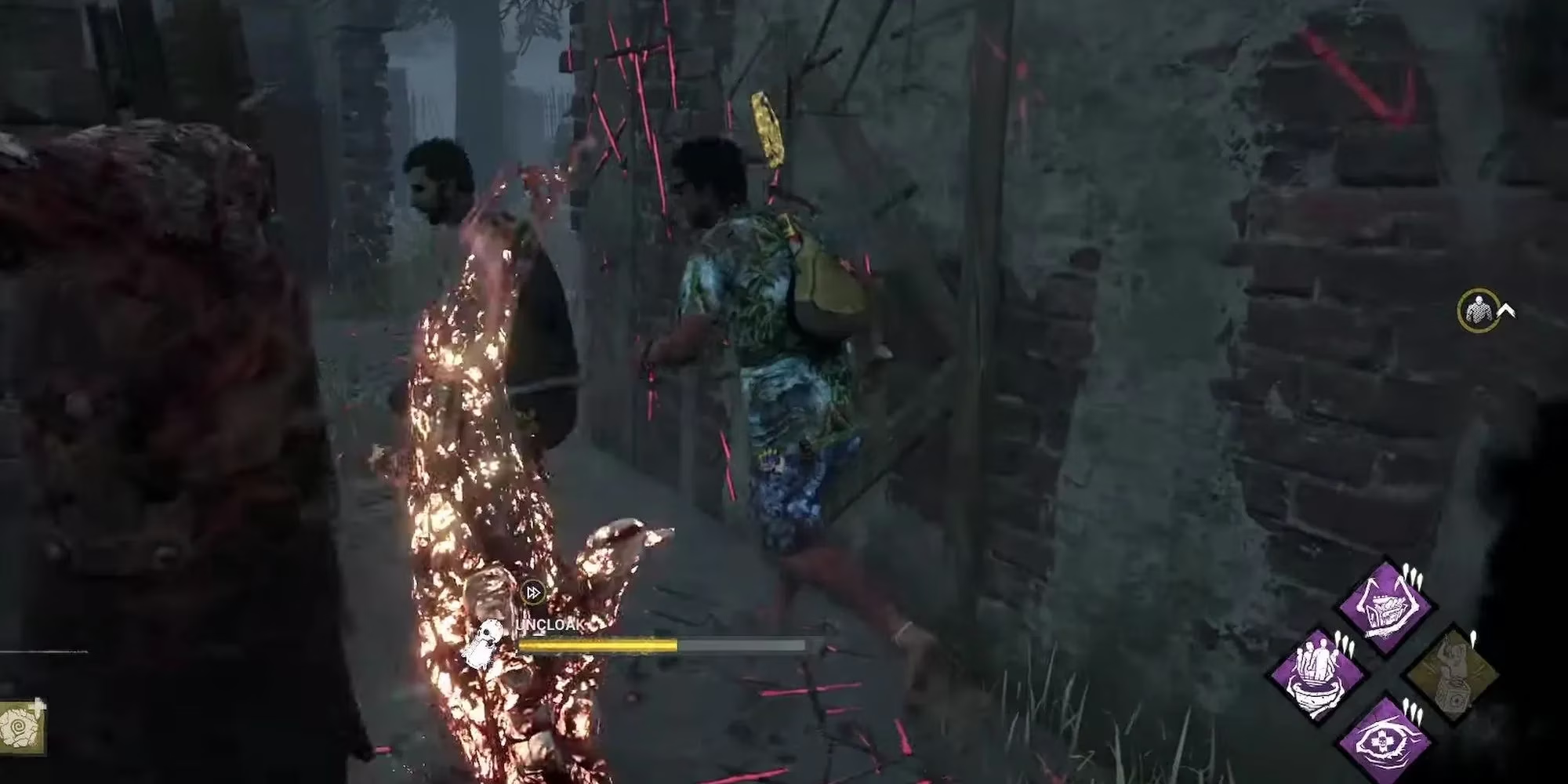
Altruism is a fancy word for being a good teammate, and it is where I earn points by helping others rather than just saving my own skin. Rescuing survivors from hooks, healing them, repairing a generator near someone who is injured, and even shielding an injured teammate from a hit all count.
I have learned that the killer's traps, like bear traps, are golden opportunities here. Freeing a survivor from one of those nasty things gives me a nice chunk of Altruism points. The game rewards me for constantly aiding my team, even when it puts me at risk. Honestly, sometimes I dive into a chase just to take a hit for a friend, and the points feel almost noble.
5. Boldness (Survivors)
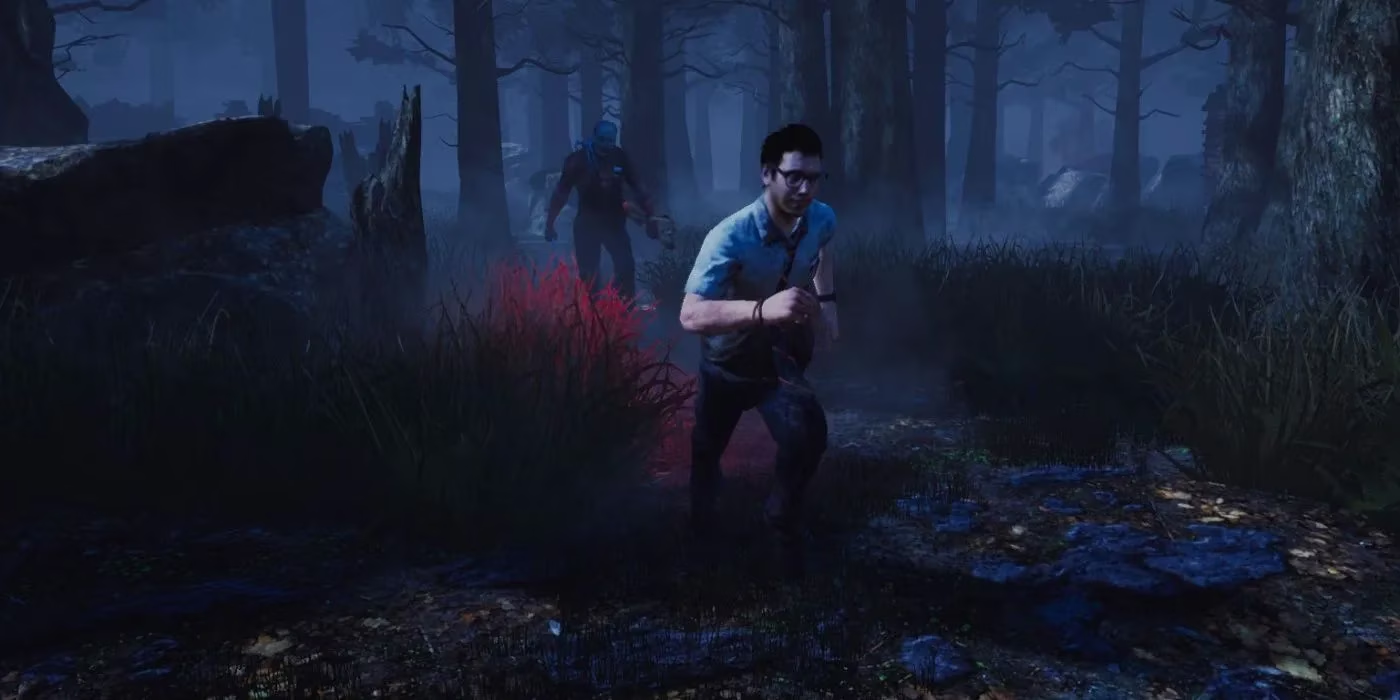
Boldness is where I earn my keep as a scrappy survivor. The most points here come from getting up close and personal with the killer: being chased, escaping the chase, hiding in a locker at just the right moment, and even lurking in a basement with only one exit.
I gotta say, this category is not for the faint of heart. Items like firecrackers or flashlights let me stun a killer mid-lunge, and that moment of bravery is pure adrenaline. If I want those Boldness Bloodpoints, I take the killer head-on when I can. My fellow survivors usually appreciate the distraction, and the points keep flowing.
4. Brutality (Killers)
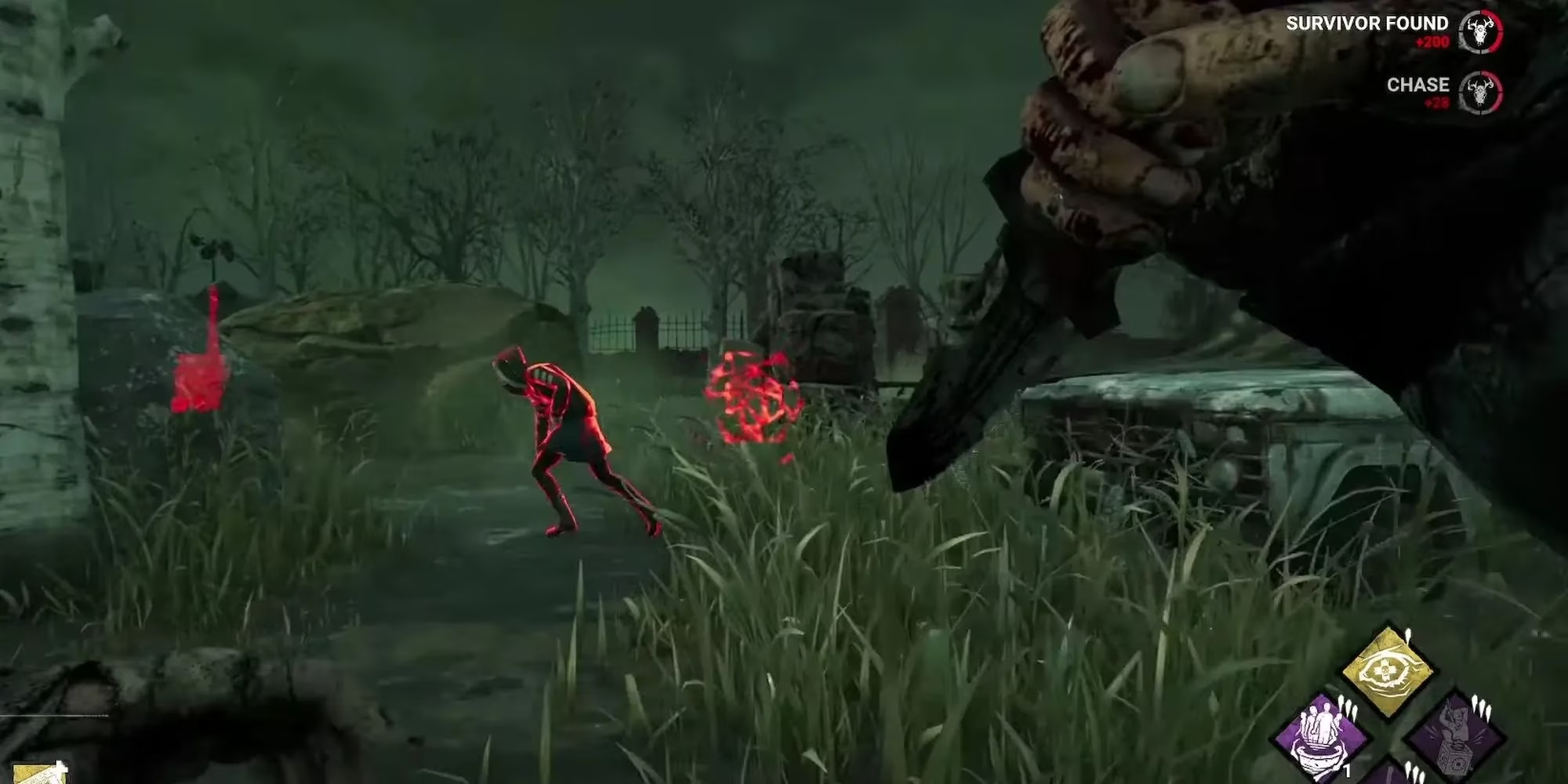
When I flip roles and play killer, Brutality is by far the easiest category to score in. Hitting survivors with a weapon, smashing pallets and breakable walls, and damaging generators all feed this pool. As long as I stay on my prey, the points pile up.
There is also a sneaky little bonus here: interrupting a survivor's action. If I hit someone while they are mid-repair or mid-heal, the game throws me a bounty of Brutality points. It is simple, satisfying, and a great way to keep pressure on the team.
3. Deviousness (Killers)
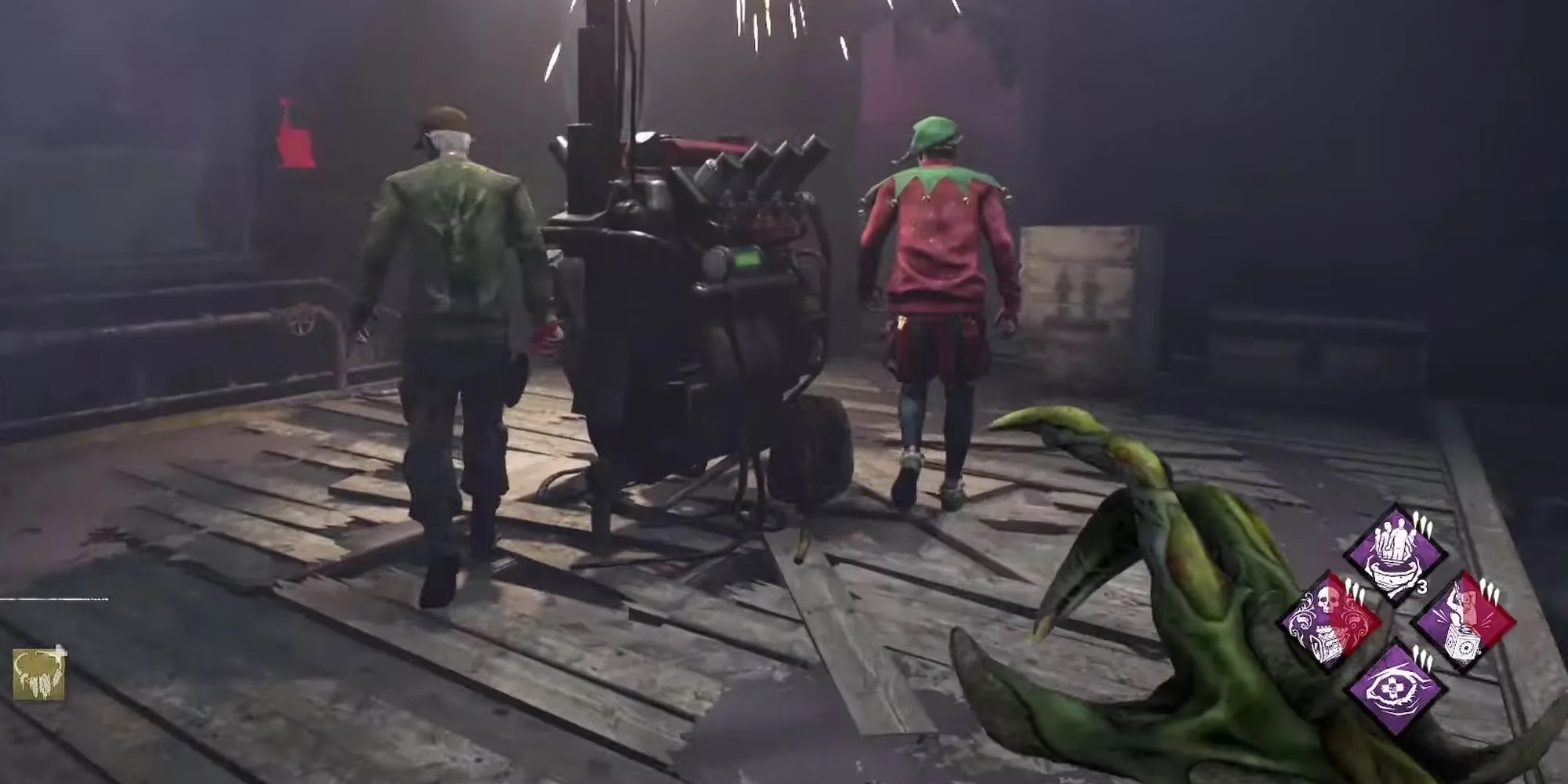
Deviousness is the killer category that rewards me for using my special powers effectively. Most of the points are killer-specific, so knowing the ins and outs of my chosen killer is crucial. Closing a hatch, dodging a flashlight beam, or letting a survivor bleed out can net some general points.
However, the real juice comes from playing into each killer's strengths. For example, when I play The Wraith, stalking and surprising survivors with that bell of his fills my Deviousness bar nicely. It is a reminder that Dead by Daylight is not just about brute force - sometimes you have to be a little sneaky.
2. Hunter (Killers)
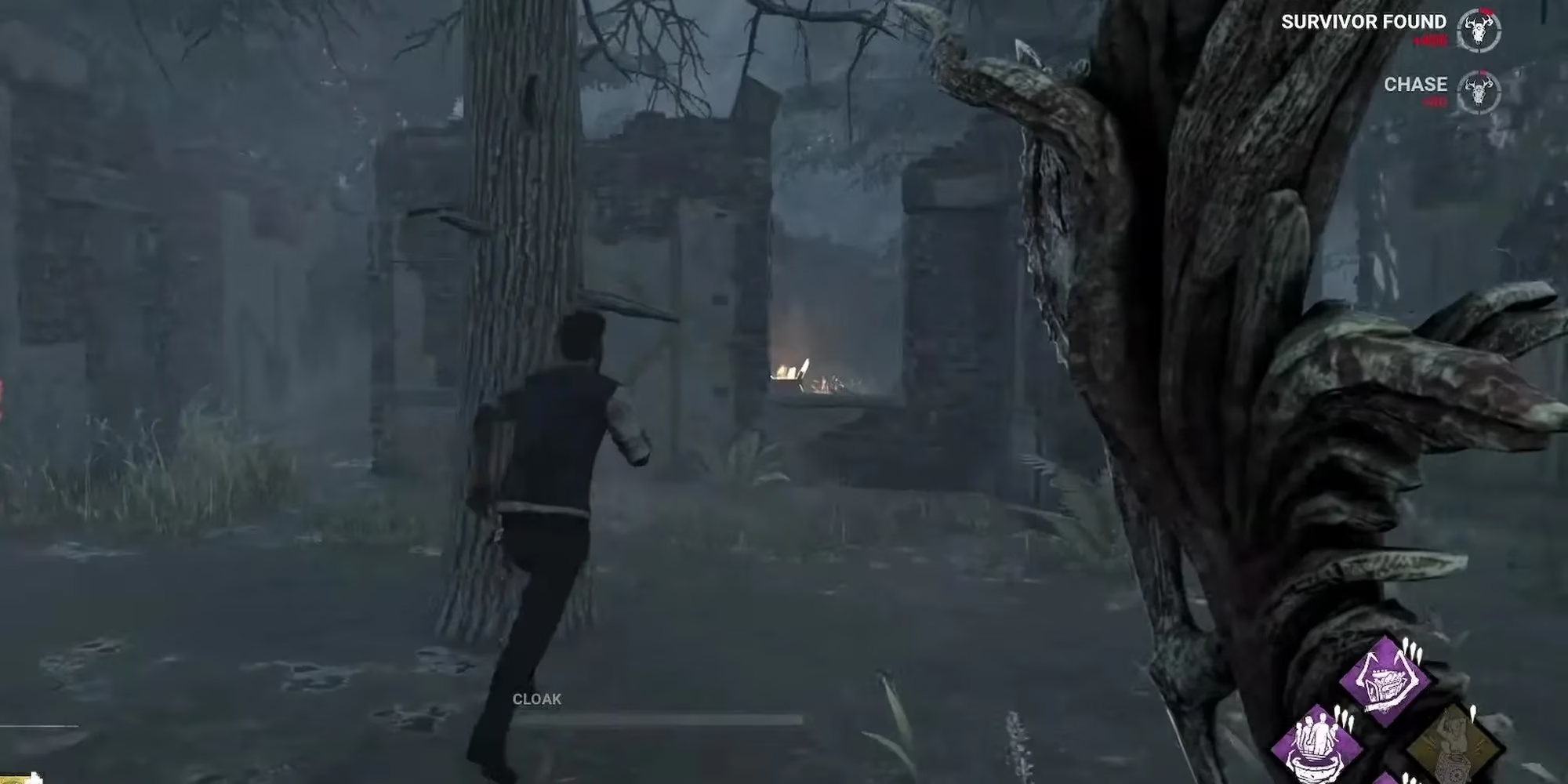
Hunter is all about finding, chasing, and catching survivors. The Bloodpoints stack as the chase goes on, with points awarded every few seconds for staying on someone's tail. Interrupting a survivor as they leave a locker also counts here.
This category might have fewer specific actions than others, but it is the broadest in practice. Most of my time as killer is spent hunting, so a huge chunk of my end-match points tends to come from Hunter. It is the steady heartbeat of the killer role.
1. Sacrifice (Killers)
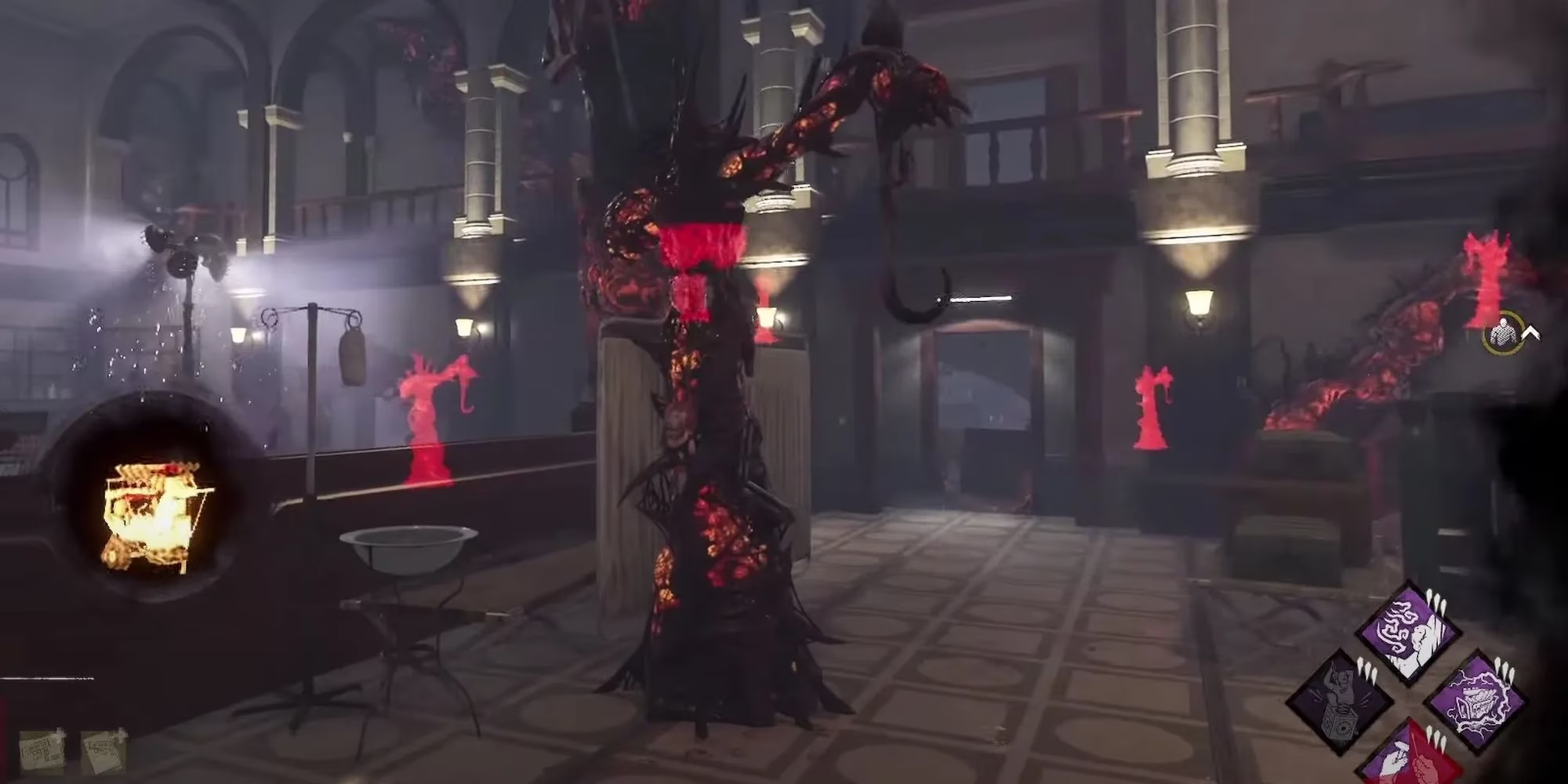
Finally, Sacrifice is all about serving the Entity - that dark, tentacled creature who descends to collect hooked survivors. Each time I hook and sacrifice a survivor, the Entity pays me in Bloodpoints.
Even if I only manage to summon the Entity without a full sacrifice, I still get something for my trouble. There are also character-specific touches, like The Pig's reverse bear trap, which can take out a survivor without a single hook. It is a grim but rewarding category, and it ties every match back to the game's creepy central figure.
In the end, understanding these eight categories changed how I play Dead by Daylight. Instead of just running around in a panic, I now see every generator, every chase, every hook as a chance to earn that next Bloodpoint. And believe me, by 2026, the game has only gotten better at rewarding those little moments of teamwork and terror.
Data referenced from HowLongToBeat helps frame why Dead by Daylight’s Bloodpoint grind feels uniquely “endless” in 2026: unlike games you can definitively finish, DBD’s trial loop keeps resetting, so progression is less about rolling credits and more about maximizing repeatable actions—stacking Objective and Altruism value as survivor, or keeping Hunter pressure and consistent hooks to feed Sacrifice as killer—so every match becomes another measurable step in an ongoing time-and-reward cycle.
Leave a Comment